These platforms are not our current product focus, but they are part of the Citizens Foundation DNA: open civic infrastructure, built in public, tested in real democratic processes, and kept available for learning, reuse and revival.
Legacy voting platformOpen Active Voting (2010-present)
A secure electronic voting app for participatory budgeting, designed to let residents allocate a fixed public budget while seeing project costs and budget limits.
Used with Your Priorities in Reykjavík's My Neighbourhood process. The 2022-2023 archive is still online, and the model may restart using Open Active Voting if the city brings the process back.
The platform separated budgeting from ordinary idea voting: residents could compare project costs, fill a fixed budget, and see immediately how trade-offs changed the final package.
Legacy policy game engineOpen Active Policy (2018-2021)
A deep policy-making gamification platform created for civic education and constitutional design experiments.
The engine powered Make Your Constitution, an educational game connected to Iceland's constitution crowdsourcing work and documented by Josh Lanthier-Welch.
It tested a more playful path into serious public questions: people learned the structure of constitutional choices by making trade-offs, not just reading explanatory text.
Legacy NLP research pipelinePaCE Keyword Scanner (2018-2022)
A Common Crawl keyword scanner developed for the EU H2020 Populism and Civic Engagement project to identify political narratives at web scale.
In 2019, the pipeline scanned thousands of keywords and search criteria, then used early transformer language models including BERT and RoBERTa for second-level filtering.
The work helped connect Citizens Foundation's participation practice with large-scale text analysis: not to automate political judgment, but to make broad public narratives easier to study.
Legacy civic AI platformActive Citizen (2013-2023)
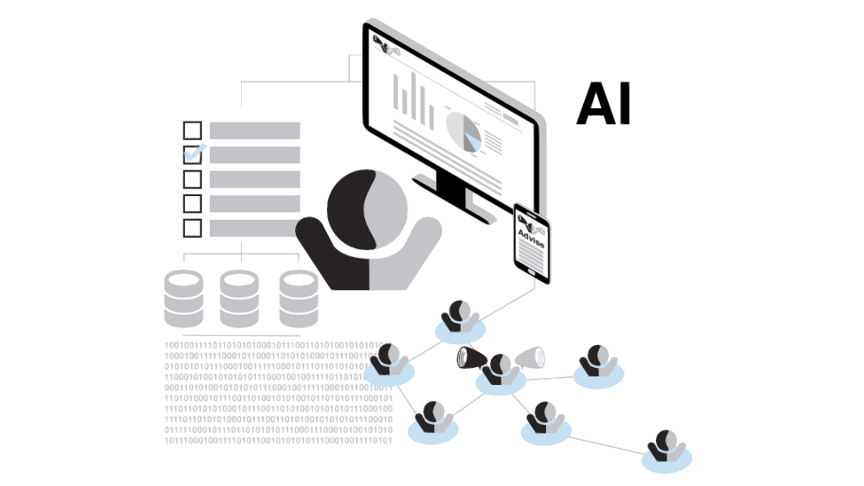
An early open-source civic AI programme for recommendations, notifications, social listening and public-interest dashboards.
The Active Citizen Dashboard was one part of it: created through the EU-funded DEEP-Linking Youth project, it explored deep-learning social media listening with a TensorFlow text-CNN classifier.
The broader Active Citizen line asked how AI could help citizens find relevant issues and help institutions understand public input. That work later evolved into Policy Synth's human-in-the-loop agent workflows.